From Jamaica to Stephens Island, Bell Rock and Mingulay.
Source: Poetry: Brian Johnstone
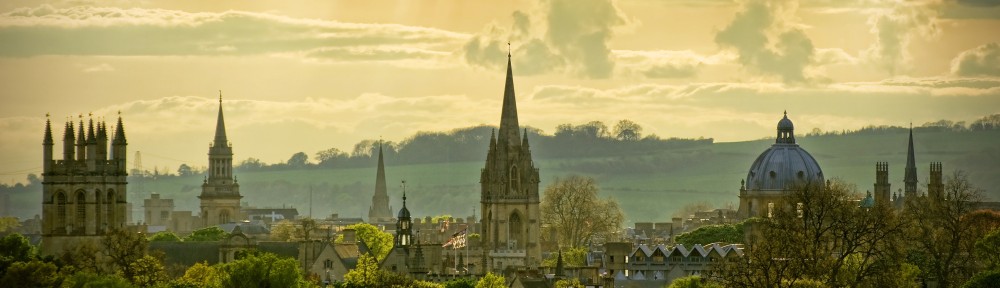
From Jamaica to Stephens Island, Bell Rock and Mingulay.
Source: Poetry: Brian Johnstone
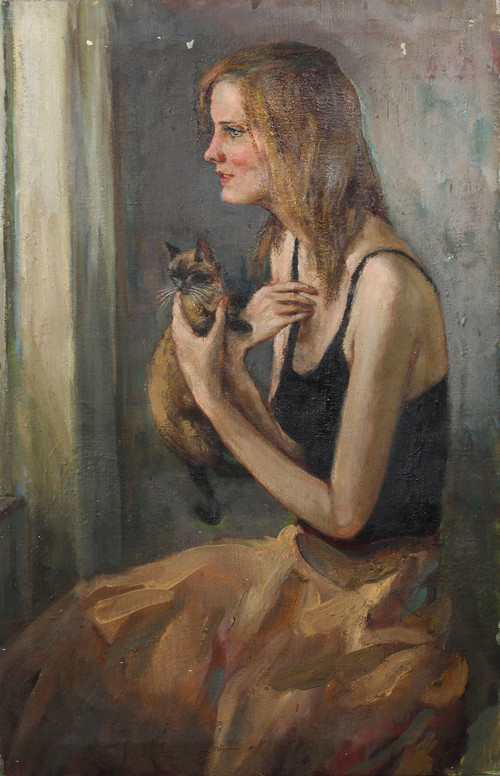
Marshall Goodman painting
Growing up in New York City my brother and I were privileged to know my parents’ wide assortment of wonderful theater friends, some of whom babysat my brother and I (Angus and Rufie), others who drank screwdrivers for breakfast (name withheld for obvious reasons), some who ‘hated children’ so keep-a-low-profile-kids (Fred Tobey) and then there was Marshall. Marshall Goodman was an artist who always lived on the edge. He was bigger than life, flamboyant, a known ladies man, and an elf. Loud, exuberant, he would burst into our house and everything just got more colorful.
He struggled, painting fanciful images in Lord & Taylors, doing sketches down at the Courts for newspapers, and annual Christmas cards, usually featuring cats. He adored cats. He once had an ocelot that when it became too big and began to scratch him, he donated to the zoo. Alas, it was attacked by the big cat in the next cage and bled out. He was devastated.
After my father died he came to the memorial service. He was back in New York City after a stint in Jersey City (cheaper rent) and I began to visit him periodically in his city apartment. He was a Buddhist at that point–interesting choice but he honored all living things. He would regale me with tales of his time at the RISD in his youth. When he became sick and ended up on the hospital I visited him. When he passed away, I was genuinely sad and met his lovely brother Seymour, who was as rational as Marshall had been the opposite. Seymour had to empty out his flat, full of art, sketches, tons of stuff. At the time I saw a painting that struck me as simply beautiful. He featured a slim young woman with a Siamese cat. Seymour has arranged with a gallery to buy all of Marshall’s artwork in bulk to sell. I tracked the painting and years later, it seems to still be for sale. But the price is now listed at $15,000! Marshall, the quintessential artist, never had any money at all and I cannot help but regret both that there is no way that I can afford that painting, and that Marshall cannot know how much they are asking for it. I am sure he would be astonished. I hope my father and he are toasting it with cocktails in heaven’s bar.
And here is what beauty really is…
Wait for it….

OK, just kidding. On our final seminar day we circled around the persistent and seductive question of beauty and eros, beauty and love. I suppose Whitehead was right and you never get all that far away from Plato after all. Not that we were all waxing Platonic–oh no. But the longing itself to define beauty must tell us something about ourselves. And what is that ‘something…?” But let’s to the daily litany of topics, which itself reveals glimmers of paths to follow:
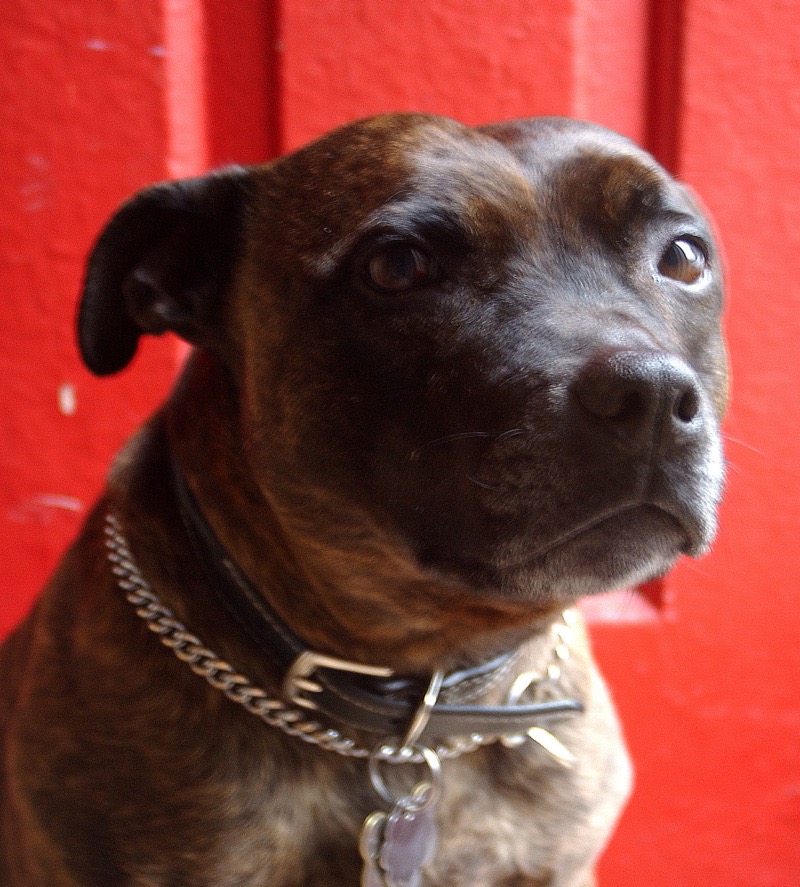
Stella- a Staffordshire Bull Terrier who loved the world, excepting other dogs
Can animals feel eros? Or, if you want to annoy everyone in the room: Does your pet love you?
The Greeks used Eros in non-human context only for cosmic events (Ouranos and Gaia) and in those cosmogonic cases, might ascribe eros to animals. I was reminded of Eryximachus’ speech in the Symposium.
a story from Plutarch in which Circe gives the men who were turned into pigs the chance to decide whether they want to remain as pigs and interestingly enough…most do. (I guess this was before CAFOs.)
Eric made some wonderful comments about meaning, truth, language and began with pointing out that not all forms of meaning and truth are linguistic or propositional but then ended with the provocative claim that words could describe. I wish we could have pursued those two threads a bit: contradictory or not? Is language good enough for art?
Allen Ginsberg was quoted by David as saying “Personal archtypes, when properly articulated, are universal.” What a delightful way to salvage the anecdote.
Orlando offered us the gift of a delightful and thoughtful presentation on the power of advertising to shape our concepts of beauty, indeed to limit them and use our own desires against us. The image tells us what we must look like–an impossible ideal:
This led (as our conversations always so–you had to be there to follow the trail of breadcrumbs from one forest to another) to the expression that I was familiar with: “Mutton dressed as lamb.” This is a Dorothy Parker-ish way of slamming an older woman who is trying to look younger.
sidebar comment: How we love to tear a woman apart for doing the most logical and rational thing in this world of dedication to youth and beauty!
But are older women not celebrated more today? Consider Helen Mirren, and… uh…Helen Mirren!
This led to my referencing the caustic but close to home skit from Amy Schumer that was making the rounds a couple of months ago. Thanks to Evelyn who sent us all the link.
 So, while we can easily note the variability of human beauty through time and space, is the beauty of landscape more iconically stable, perhaps more representative of some essential appeal to beauty, less mediated by culture? Interestingly enough, the majestic mountain was only viewed as such in the Romantic 19th century; prior to that mountains were ominous and dangerous places, not sublime exaltations there.
Back to my catalogue of ideas:
Kalos vases: gifts of seduction or recognitions of nobility?
Postmodern critique of political and elitist views of beauty, the privileging of those “in the know”
The recent return to talk about beauty in aesthetics as possible–still, in a post-post-modern world, the cautionary recollection of fascism hovers
Nehemas and Elaine Scarry both link truth and beauty: can we still hope for this or dread it? Think of the multiple meanings of Fair:
light-skinned pretty or attractive just
Fascism: the aestheticization of the political–and yet, David reminds us that the Romans beat the 20th century to this! The emperor’s images were always idealized a la Greca while the statues of noted figures showed them realistically old and experienced. Perhaps because gods can not age these emperors were captured in an imaginary and “photoshopped” youthful stage?
Why did China never display images of its emperors?
This led to a brief foray into the ways in which previous eras (beginning with the Greeks with different schools of Homeric studies) engaged in–pardon the retro-linguistic turn–post-modern play. In Jacques la Fataliste the main character argues with the author over his free will. Doesn’t that sound like a story by Italo Calvino? Charles led us through this delightful and bizarre story.
Next we moved on to Barbie and Ken. Who is Ken anyway? But how many little girls have impriting their ideal of feminine beauty from that doll?
Do we privilege beauty as visual but disgust as visceral? (Lovely word play from Catherine.)
Tom introduced the idea of the beautiful gesture: an act that demonstrates goodness and which we label as beautiful. A gesture which expresses love.
I am meandering, I know. So I will end with a word cloud to attempt to capture our final afternoon: Eudaemonia, Aristotle, Timothy Leery and yoga, dancing, ecstasy, losing beauty…
Beauty is the promise of happiness: a quote from Stendahl which inspired the title of Nehemas’ book, unpack the ways in which each word has a density of meaning here. Rafa asked is beauty, or can beauty be, solace?
But does not solace still connote a promise? Response from many, no. But I was not entirely convinced. Solace carves a space where I do not forget but I can see hope, and hope connotes alternative, future directed potential… a promise.
 Tom shared a quote from a speech by Aleksandr Solzhenitsyn in which he said “beauty will save the world.” As it turns out this is from Dostoevsky and has generated many essays and commentary on his meaning. But it might be a fitting place to end this blog series as it partially explains why 16 individuals from widely different disciplines, geographic areas, ages, interests, came together under Davie Konstan’s guidance to passionately consider Beauty. Cue the music.
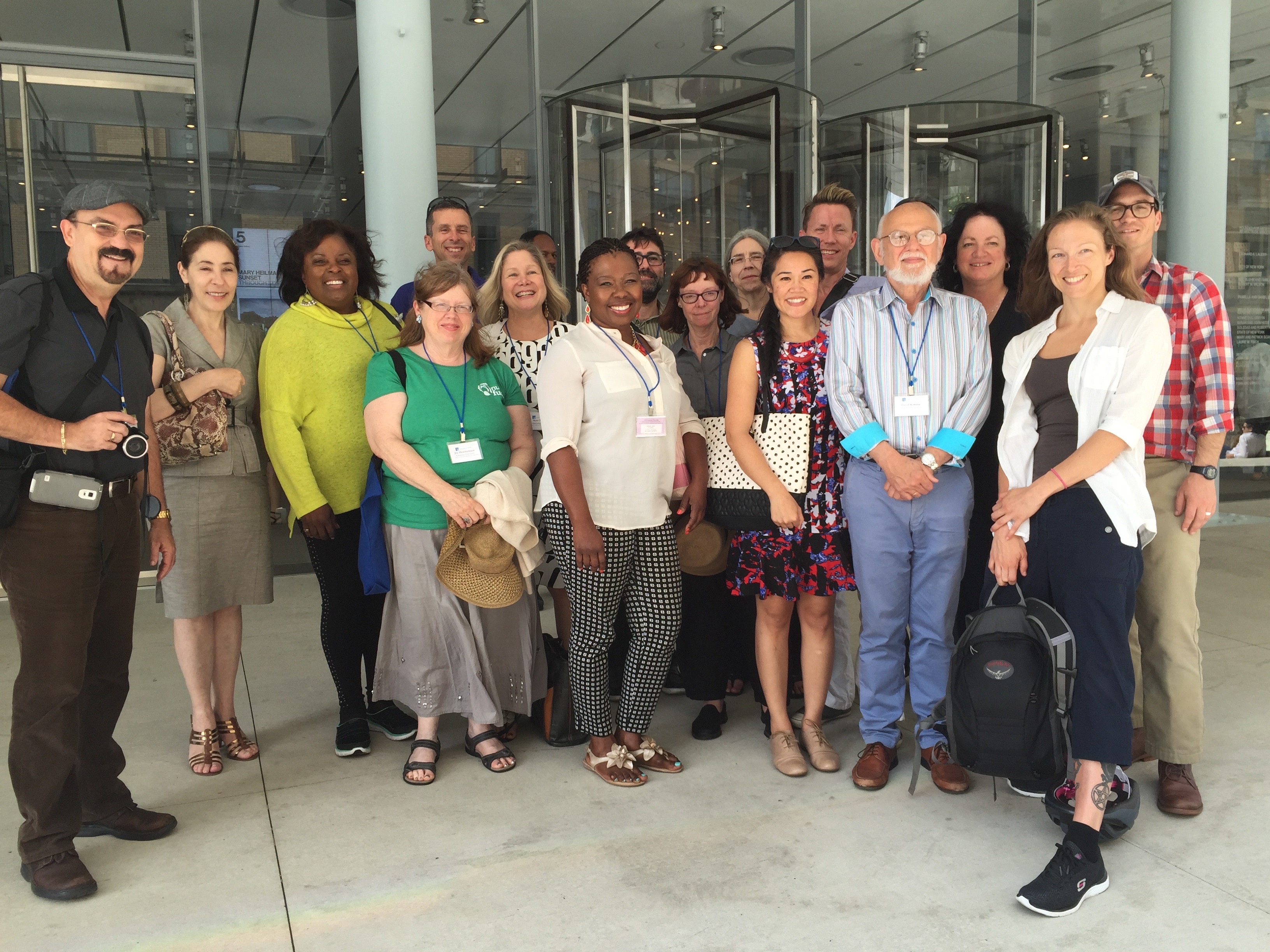
Final note: while I do not reference everyone in our seminar by name in my series, each and every person contributed valuable perspectives, ideas, stories, and viewpoints on an astonishingly wide range of expertise and personal experience. This was truly a collaborated event and I thank each and every one of the participants for building a genuine community of inquiry. A better note-taker would have collected all the wisdom shared.